Gokada: ride-hailing app taken over and rebuilt in Lagos
How Brocoders took over another company's MVP and rebuilt a motorbike hailing platform for Lagos
Industry
Ride-sharing
Location
Lagos, Nigeria
Client since
July 2018 (to February 2020)
Status
Finished, February 2020
2.5x
daily ride requests in 6 months
1.5M
ride requests by the end of 2019
325K
completed rides
1,000+
drivers
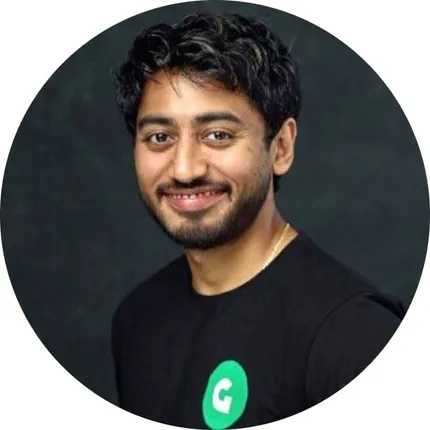
Fahim Saleh founded Gokada and led it as CEO. Backed by experience in running logistics and bike hailing services known as Pathao, he came up with the idea to establish a motorbike hailing company in Lagos, Nigeria. To strengthen his business with technology, in July 2018 he contracted Brocoders to take over and rebuild the ride-sharing app that another IT company had started. That’s where our partnership story begins.
Fahim Saleh Founder and CEO of Gokada
Gokada at a glance
Client
Gokada, a motorbike hailing service in Lagos
Location
Lagos, Nigeria
Engagement
Project takeover of an MVP built by another IT company, then continued development
Period
July 2018 to February 2020, finished
Team
5 at start, 7 at peak
Product
A single React Native app for riders and drivers on iOS and Android, a Node.js backend, and an admin panel
Dispatch and maps
Search for an available driver after each confirmed request, live driver status in the admin panel, 2 map services
Payments
Paystack, for local African payment methods and cashless payment
The situation: Gokada’s MVP from another IT company
African cities are densely populated, so there are huge problems with traffic jams. A motorcycle taxi gets passengers through heavy traffic at a lower fare than a regular taxi.
Fahim Saleh partnered up with our team to put his ideas into practice and create a feature-rich bike hailing application for Lagos.
Fahim came to us with a working MVP that was developed by another IT company to check whether his business concept was viable and was in demand in the first place. The MVP ran as 2 separate apps, one for riders and one for drivers.
Based on the target audience’s feedback to rebuild and improve the MVP, Fahim visited our office with his team to combine our forces and design a solution that met the end users’ requirements and needs. He shared his vision of the final product and provided us with some preliminary drafts and mockups so we could get an insight into the project.
What we inherited
A working MVP built by another IT company and released for testing, with separate rider and driver apps
What we rebuilt or added
A single React Native app for riders and drivers with a new design and reworked logic, a new admin panel on a ready-made template, and backend work that grew from 1 to 3 developers
Not ours
The tasks Gokada’s own team took on in the split, which the record does not list
"Brocoders is a very productive and effective team. We were happy to meet them in Lagos, where they came to meet Gokada team and test application in a real-time."
Fahim Saleh Founder and CEO of Gokada
Key challenges in rebuilding the Gokada app
To cover all details, we started from workshops with the client, which, in turn, inspired our experts and sped up the entire workflow. We worked in close collaboration with the Gokada professionals and split the tasks between our teams to enable a higher development speed.
Cross-platform mobile app for both drivers and passengers
Among other challenges set before us by the client, we had to update the general logic of the app and reinvent the entire project’s design to give users a better experience.
Admin panel
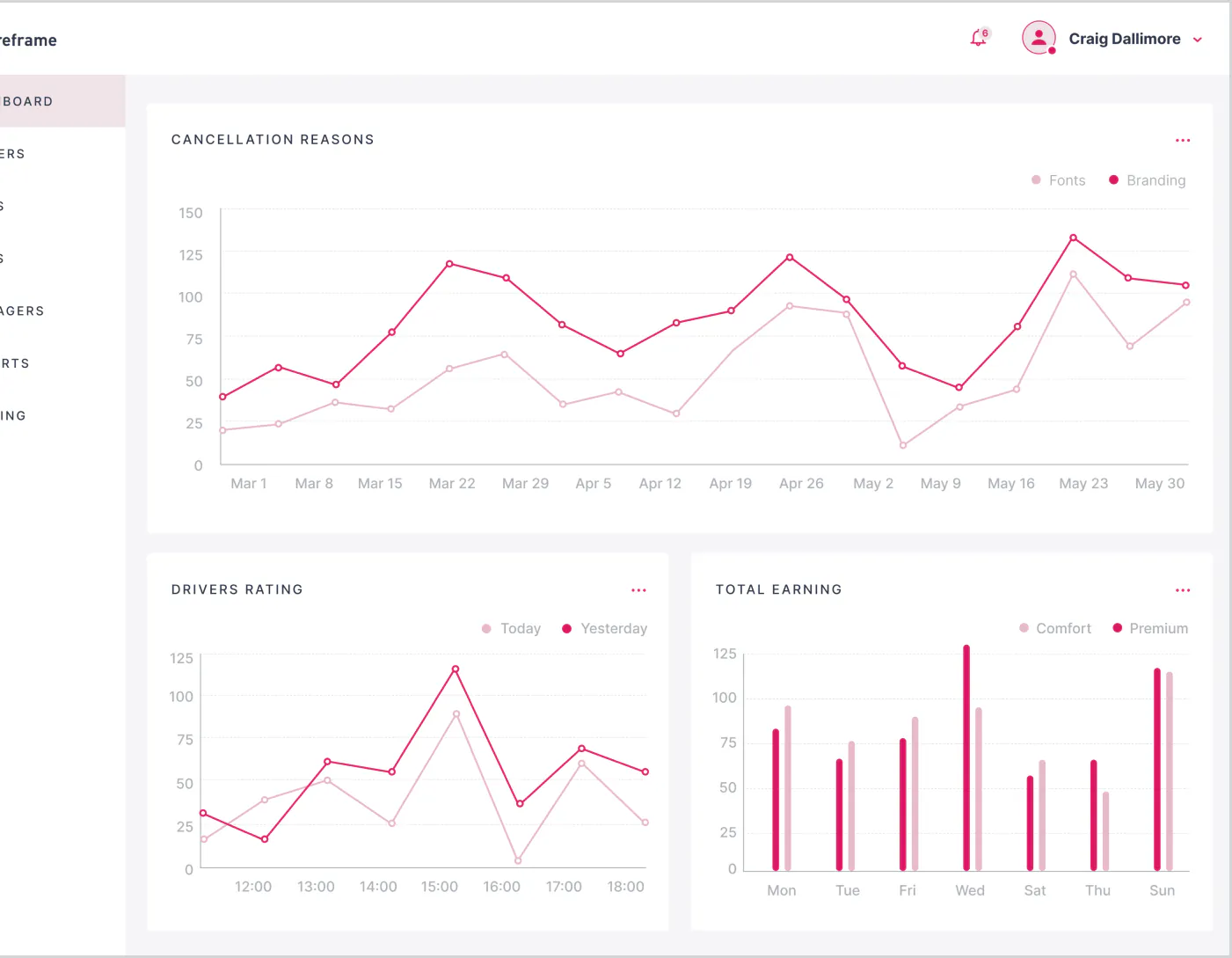
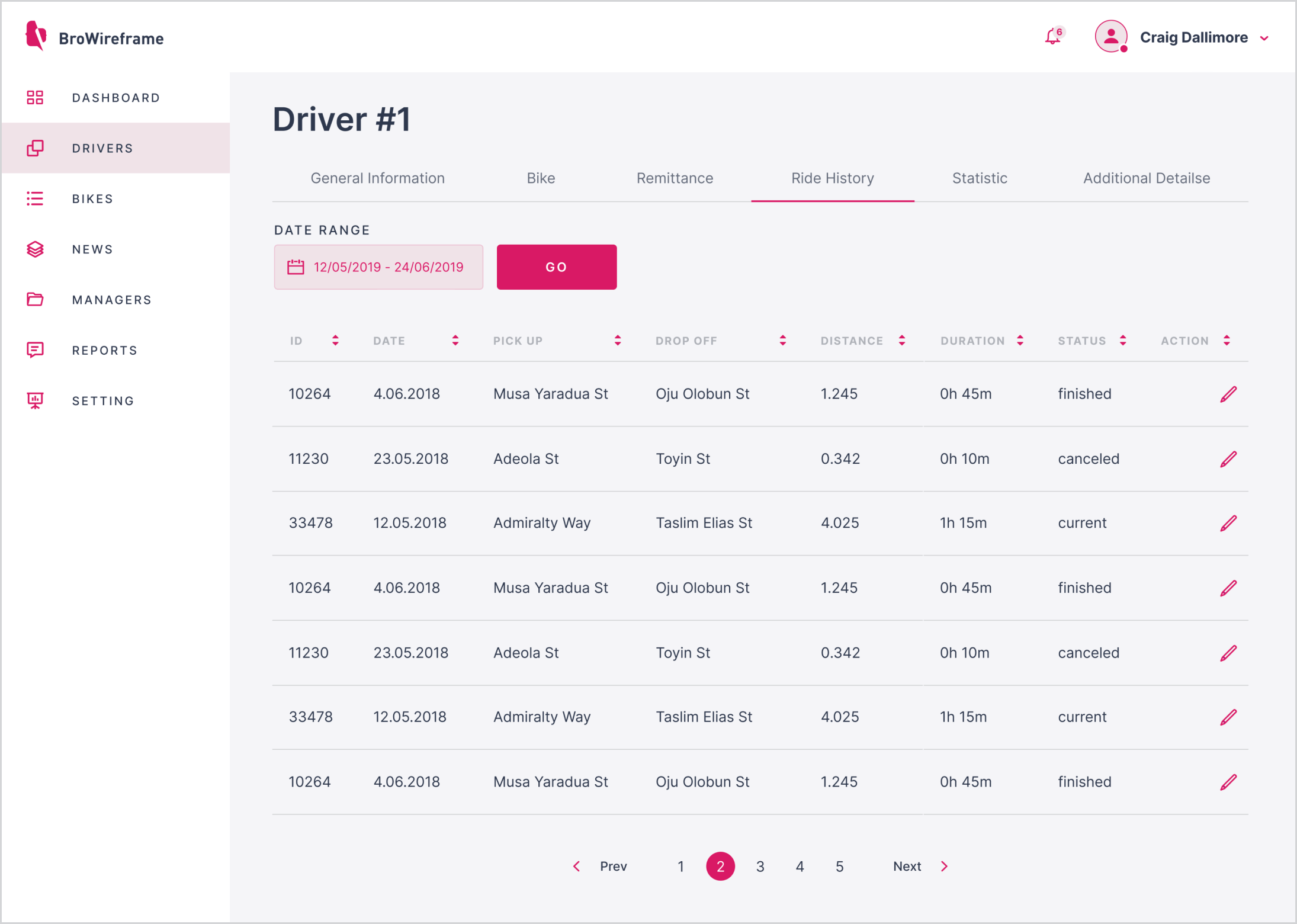
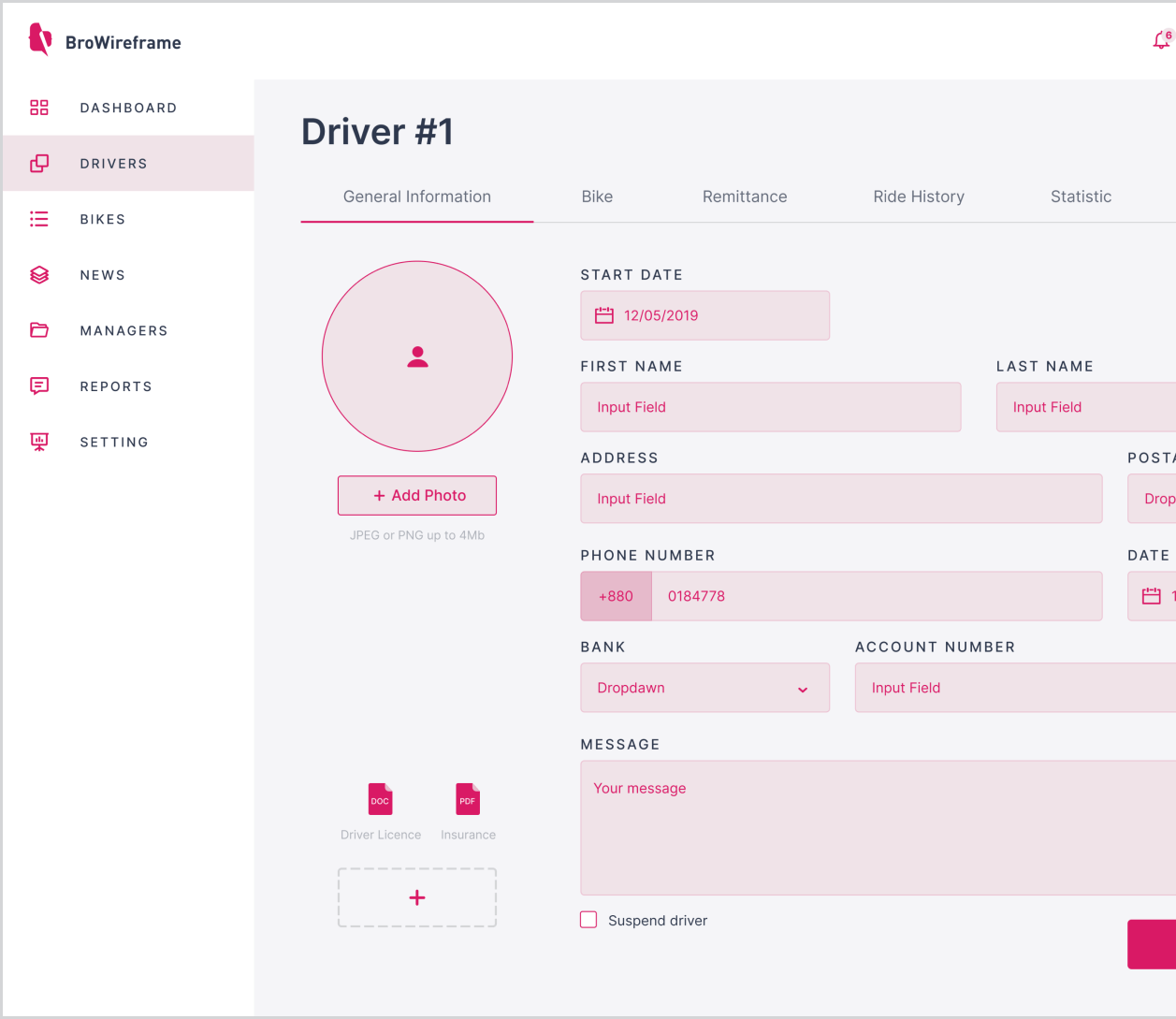
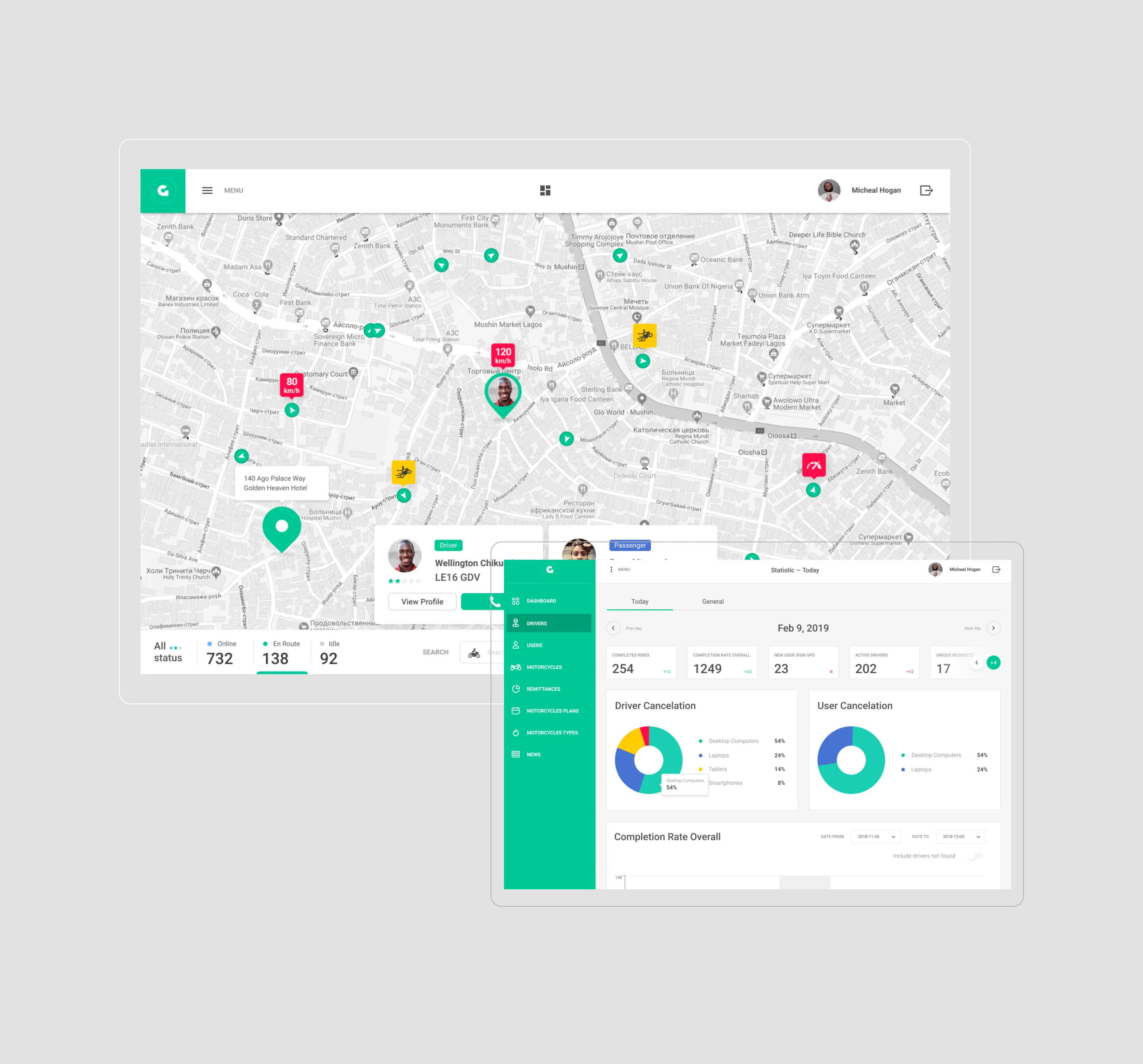
We also had to create a multi-functioning admin panel and integrate it with a working platform driven by the client’s feedback and shared drafts. Based on our in-depth research of the project, we made the list of all features that an admin panel must include and prepared a few high-fidelity prototypes to show the work done. It was the most important task to accomplish in the first place, since it provided the means for our client to:
Manage and control all processes and involved parties (drivers and users)
Acquire insights into user behavior patterns (ride requests and cancellations)
Track transactions
Provide easy-to-use tools for managers
Monitor real-time status and statistics on drivers
Understand the load on available drivers at any time
Gather information for making the right business decisions
View the history of rides
Since there was an existing admin panel template, we didn’t have to create a new custom-designed version from scratch, which allowed us to reduce the development time and concentrate more on other important tasks during the first stages.
Mapping service and dispatch
Another challenge to take care of was the choice of a mapping service that can fit our platform best.
Since the primary flow was deeply connected to a location data function, it was important to pick the one that had cost-effective payment plans so that we could reduce expenses related to GPS tracking and data location features. The Google Maps API was too expensive to afford for all internal processes, so we tried a few different mapping services to find out which is the most appropriate. We compared OpenStreetMap and Mapbox to Google Maps based on the data we worked with, distance and duration, on 5 real Gokada rides:
Distance and duration of 5 Gokada rides as each map service returned them
Ride
Google Maps
OpenStreetMap
Mapbox
Mapbox with traffic
1
8,920 / 2,133
8,940 / 776
8,756 / 1,964
8,747 / 1,886
2
21,590 / 3,754
23,508 / 1,159
23,289 / 3,235
23,360 / 3,200
3
13,590 / 1,510
13,583 / 664
13,613 / 1,653
13,583 / 1,723
4
17,194 / 2,430
17,193 / 916
17,169 / 2,366
17,193 / 2,535
5
20,448 / 2,947
21,531 / 1,141
31,986 / 3,128
21,677 / 3,220
OpenStreetMap’s distances came within 9% of Google’s, and its durations were 31% to 44% of Google’s. Mapbox turned out to be a decent option in certain circumstances, so we decided to use a combination of 2 mapping services for a different scope of application.
Once a rider confirmed a request, the app searched for an available driver, and the admin panel showed live which drivers were free and which were busy, so managers saw the load on the fleet at any time.
Integrating Paystack payment system
We faced a similar issue when it came to the local payment systems. We needed to integrate the app with a platform that supported the local African payment methods, including a cashless settlement.
Most of the local payment systems lacked the required functionality and compatibility. We managed to find and implement a working solution that could fit our specific requirements: the Paystack payment system.
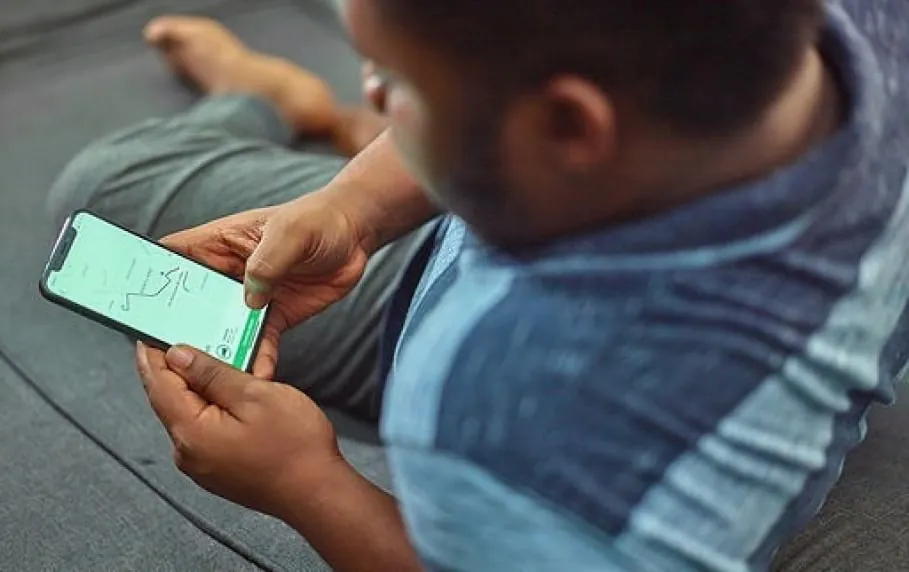
Photo from IG @gokadang
Team composition: the Gokada team, 2018 to 2020
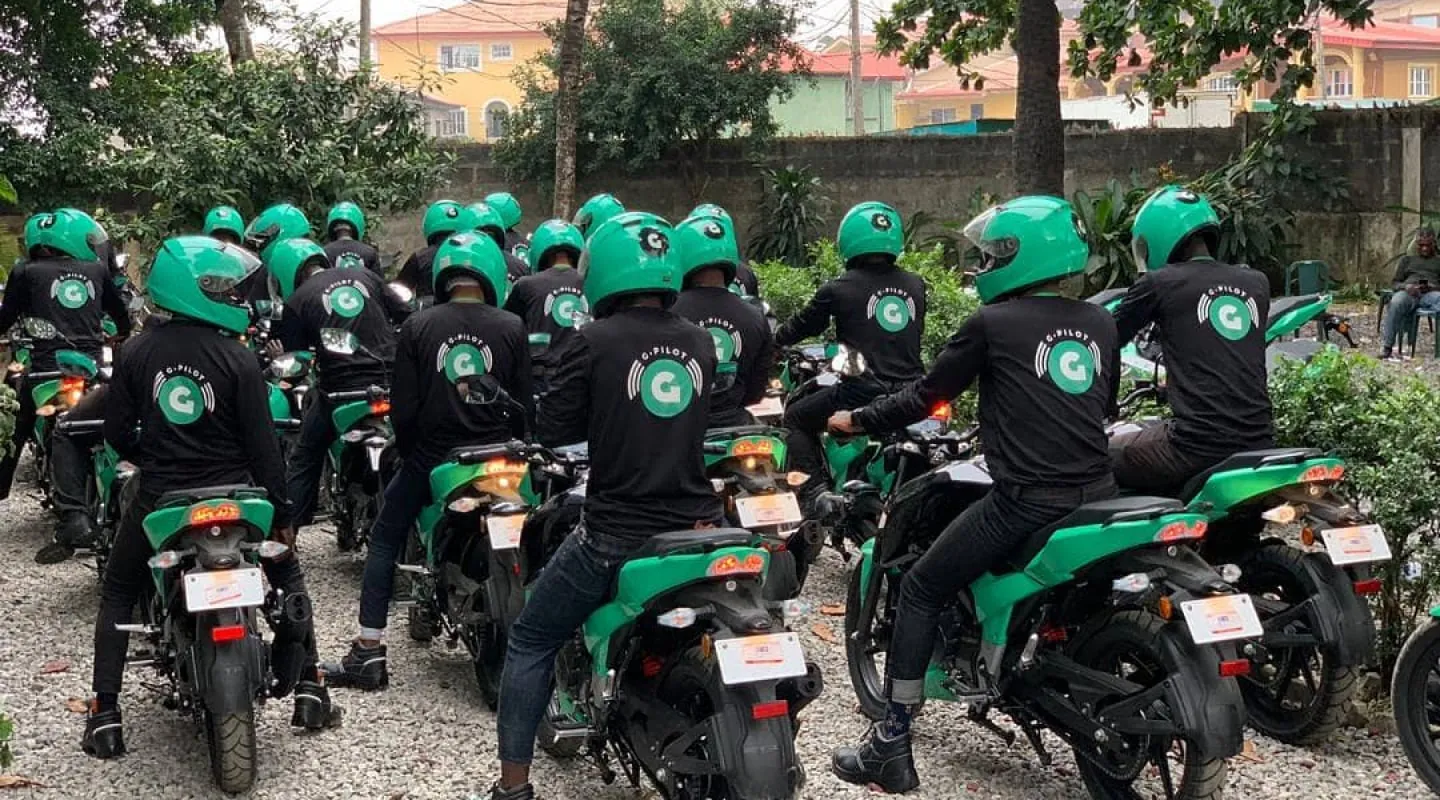
Once we filled in the blanks and came up with a further strategy, in July 2018 we set up a team of the following on-site specialists: 1 backend developer, 2 React Native developers, a QA engineer and a project manager. Later, we added experts to the team, since the project was growing fast and we had to deal with a greater scope of tasks:
July 2018
5 people
A few months in
6, with a second backend developer
About 6 months later
7, with a third backend developer
Eventually, our team was comprised of:
Backend
developers
Frontend (React Native)
developers
QA
engineer
Project
manager
The MVP’s rider and driver apps were built on a separate basis, so we decided to develop a single cross-platform React Native app for both drivers and passengers at the same time. Such an approach allowed for implementing new features and updating the platform in a fast and simplified manner for both Android and iOS, as well as for all parties in one go.
Photo from IG @gokadang
Delivered solution: the rebuilt Gokada bike hailing platform
We faced up to the challenges and created a bike hailing platform that met the customer’s expectations.
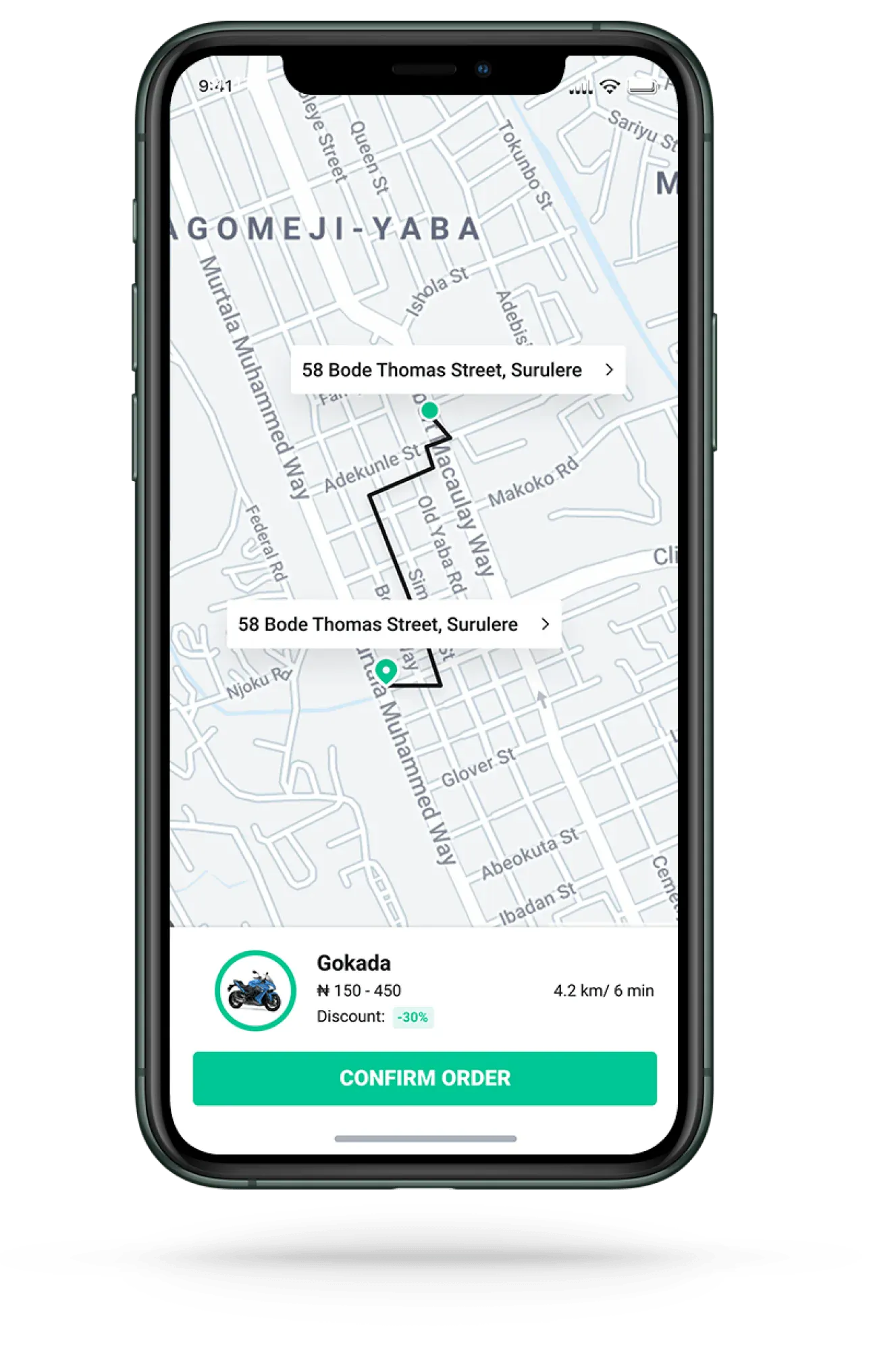
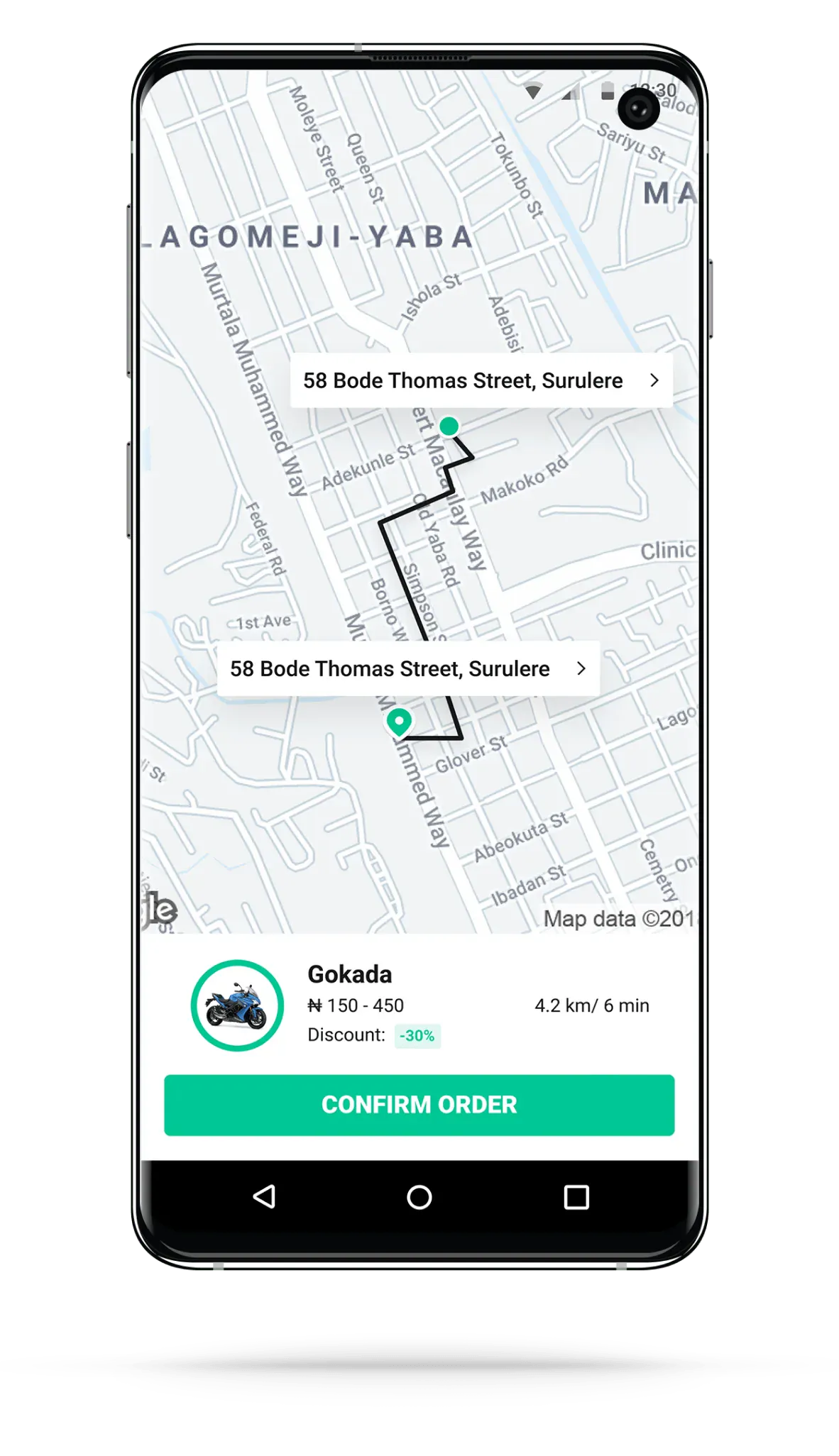
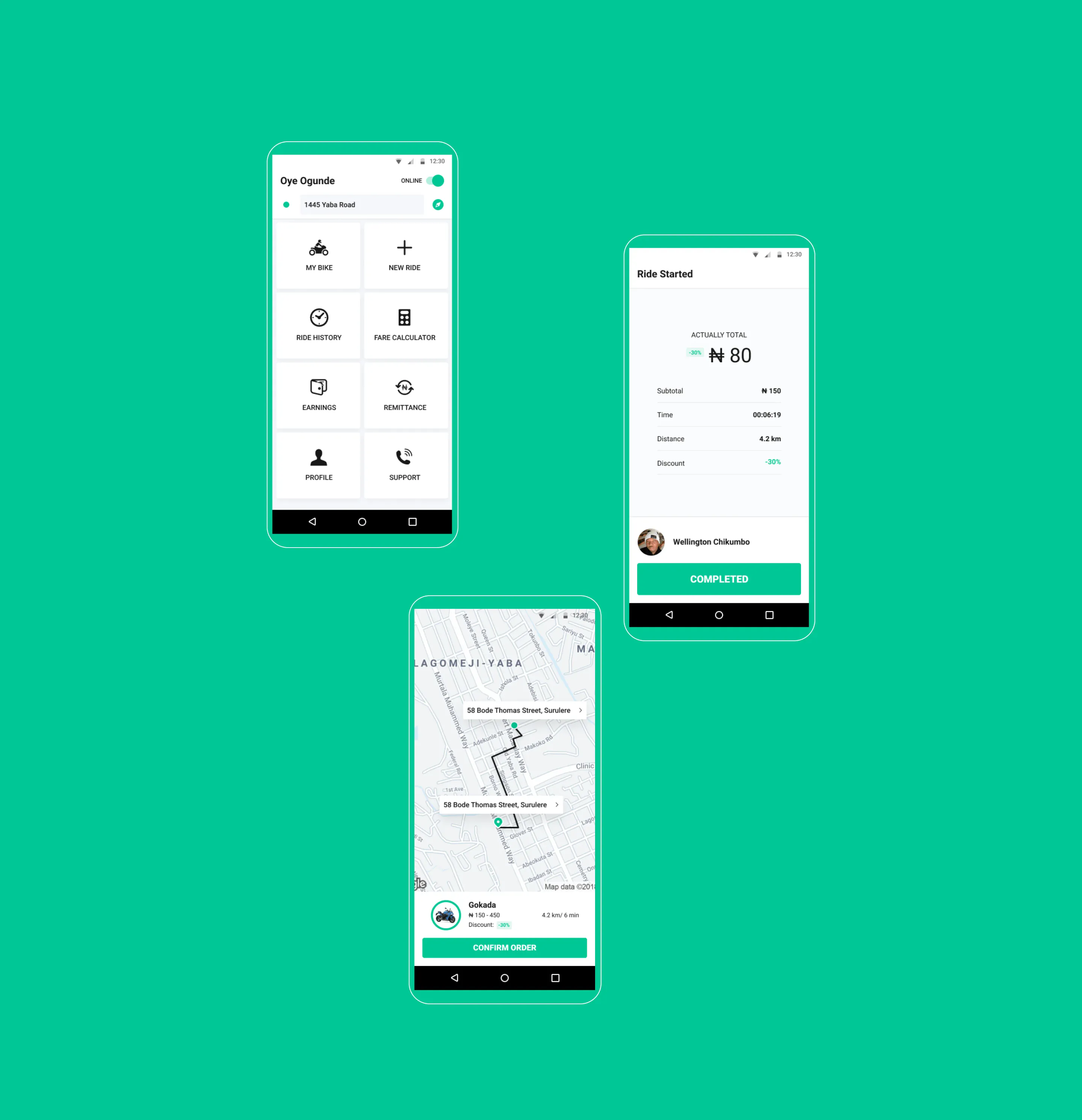
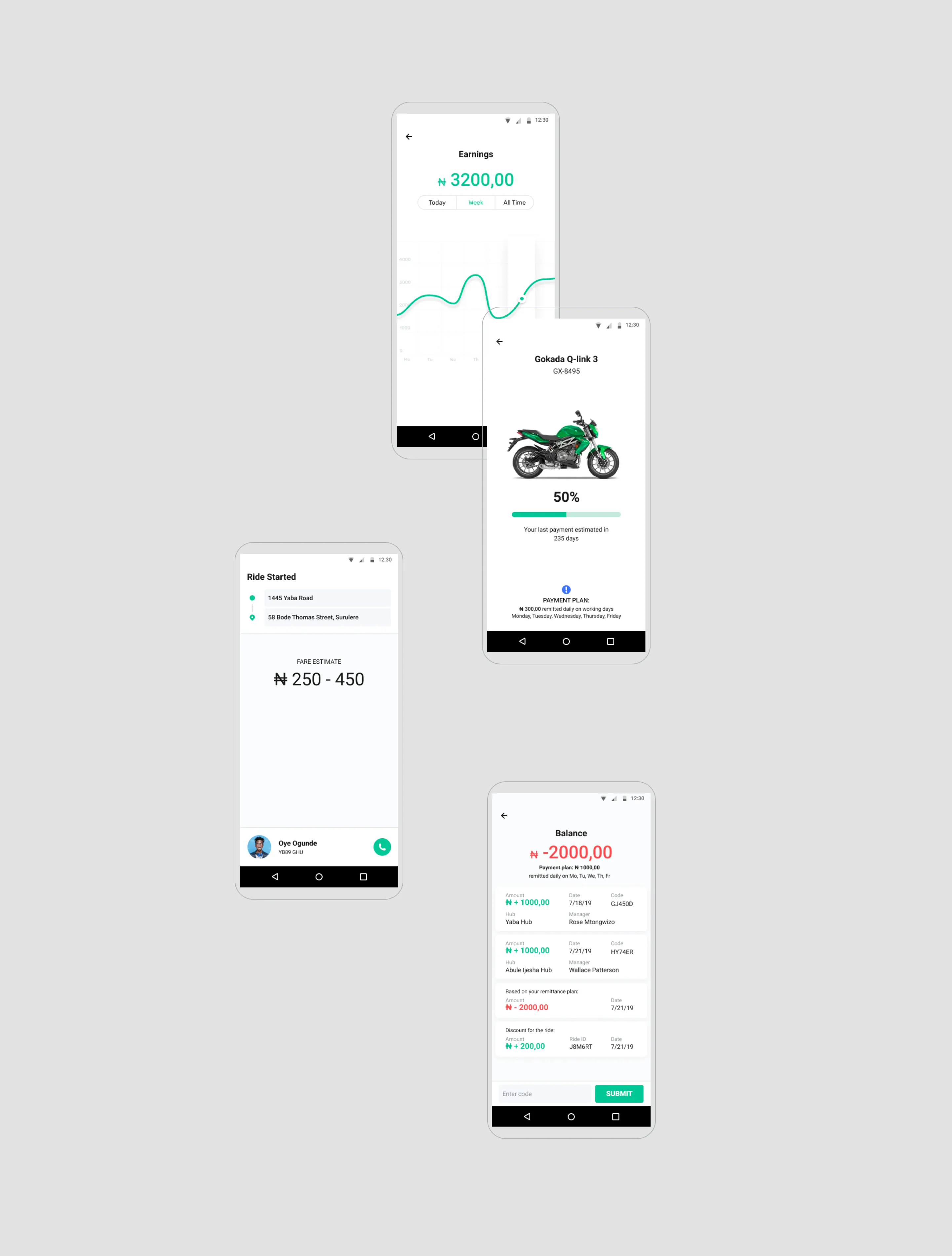
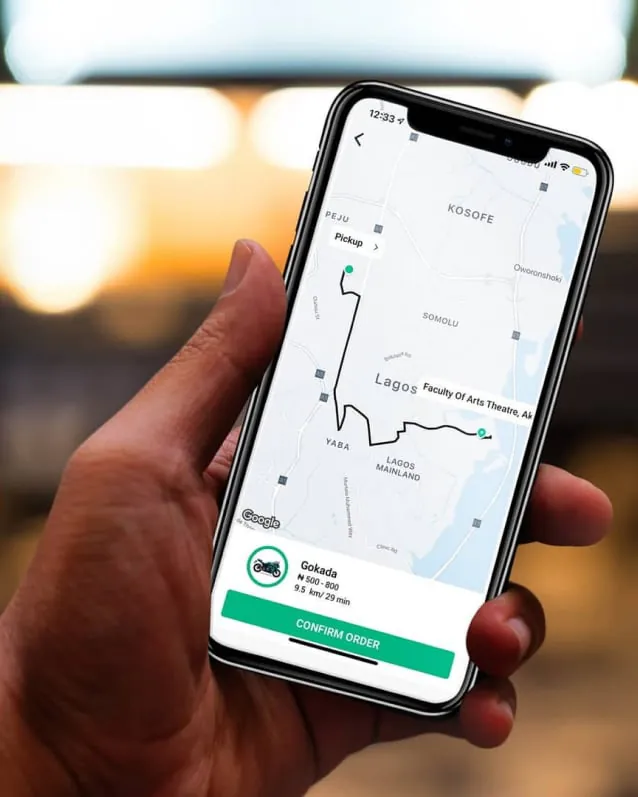
We renovated the underlying logic of the flow, as well as built a whole new app design to give end users a user-friendly interface. Drivers, passengers and the Gokada team members ended up with easy-to-use dashboards with access to all key functionalities. A ride in the rebuilt app ran in 7 steps:
1Ride request
2Calculation of the estimated fare
3Request confirmation
4Search for an available driver
5Start and finish of the ride
6Reviews
7Ride history
Here are some of the core features that users could benefit from:
Passengers could quickly request an available ride based on a driver’s profile and get a fair cost calculation.
All users could see their trips history, while the admins gathered info on all requested and canceled rides.
Drivers could share their trips with others in real time.
Passengers could pay without cash through Paystack.
We implemented GPS-driven maps and geo-location features to enable optimal routes to the destination points while avoiding traffic jams.
The Gokada team managed the business with an admin panel that gave in-depth insights and vital stats, such as the details of trips and users, and more.
Gokada results, 2019 to 2020
The first release of the rebuilt app went live at the beginning of 2019. The platform already had some active drivers that were eager to start accepting customers’ requests.
During that period, we worked closely with the drivers’ and users’ feedback to analyze which features or updates should be included in the next versions. All the further updates allowed us to increase the number of daily requested rides by 2.5 times during the first 6 months, and completed rides by the same rate. Meanwhile, the number of daily canceled rides fell by half during this period, and by half again during the next 6 months.
By the end of 2019, the results were:
1.5M
ride requests in total
325K
of which were completed by the assigned 1,000+ drivers
$5.3M
Series A round raised by Gokada in May 2019 (TechCrunch)
Photo from IG @gokadang
These results inspired our team to put the shoulder to the wheel. Based on the gathered data, we found and fixed bottlenecks in the ride flow before they affected the next development stages.
Our team kept working closely with Gokada’s managers and their feedback after the release date. Our goal was to make the admin panel simpler so managers could effectively solve basic operational tasks and provide quick support to all app users.
We also had a few scheduled projects, such as an improvement of the payment system and an integration of the recruitment add-on module that was mainly focused on converting leads into drivers. With it, drivers would go through online tutorials and other training materials, pass a test and get a driver’s license in a short time.
In February 2020 the Lagos government implemented the ban on passenger motorcycles, so Gokada pivoted the business to a delivery service on the same platform architecture. That’s where our collaboration ended, before we could finish the scheduled projects.
Ride-hailing work at Brocoders in 2026
Our work on Gokada ended in February 2020. In 2026 Brocoders is building a new ride-hailing app for a mobility company, under NDA, and we get regular requests from other ride-hailing companies. Our ride-sharing software development page describes our ride-hailing services.
FAQ: taking over a ride-hailing MVP
Can Brocoders take over a ride-hailing app another company built?
Yes. Another IT company built Gokada's MVP. Brocoders took it over in July 2018, replaced its 2 apps with a single React Native app, extended the backend, and launched the rebuilt app at the beginning of 2019. See our project takeover service.
What did Brocoders change in the Gokada MVP?
We replaced the separate rider and driver apps with a single cross-platform React Native app, with a new design and reworked logic. We built the admin panel on a ready-made admin template and grew the backend team from 1 developer to 3.
Why put riders and drivers in one React Native app?
With a single React Native codebase, the team built each feature once for Android and iOS, and updates for riders and drivers shipped in one go.
How did the team choose map services?
The Google Maps API was too expensive for all internal processes. We compared distance and duration for 5 real Gokada rides across Google Maps, OpenStreetMap and Mapbox, then used a combination of 2 mapping services, each for a different scope.
Which payment gateway did Gokada use in Nigeria?
Paystack. It supported local African payment methods and cashless settlement.
How large was the team, and how long did the work last?
The team had 5 people at the start and 7 at the peak: 3 backend developers, 2 React Native developers, a QA engineer, and a project manager. The engagement ran from July 2018 to February 2020.
How does a takeover start?
With a review of the code you already have. On Gokada we researched the state of the MVP before we set the first scope of work. For new clients we run that review as a software audit.