Software for brokerages, rental operators, and property and association managers. We build it new, take over what your team or an AI tool already built, or extend the system you run.
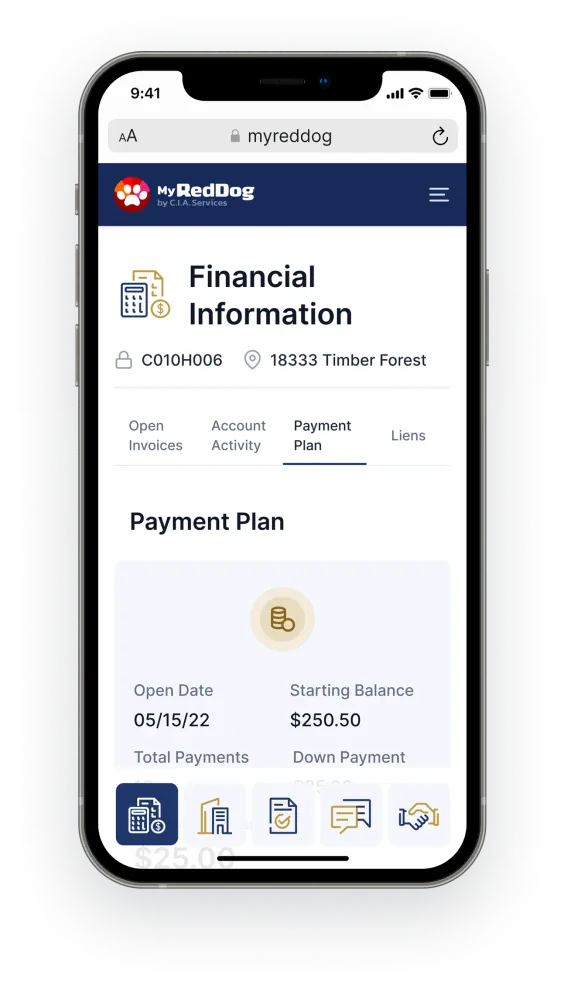
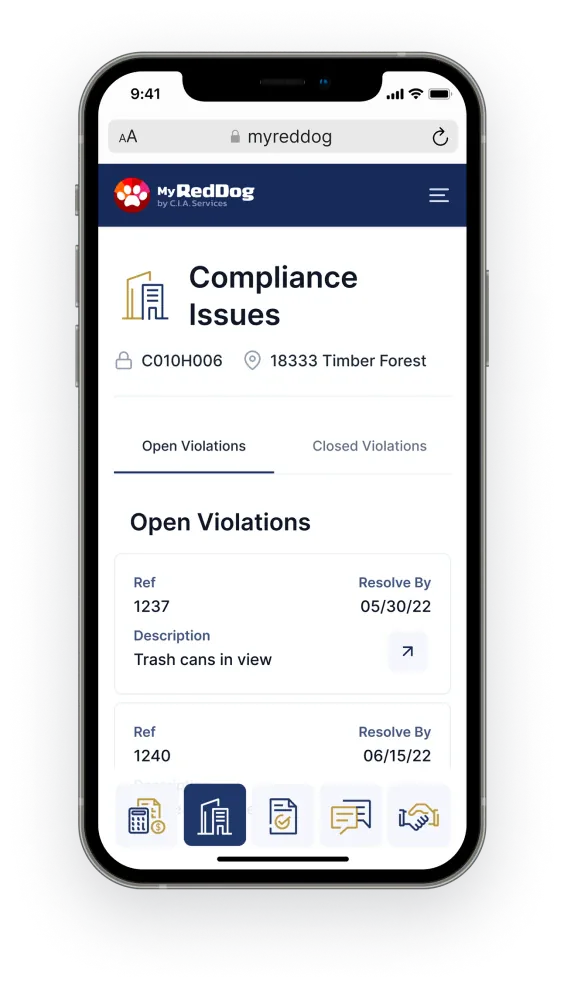
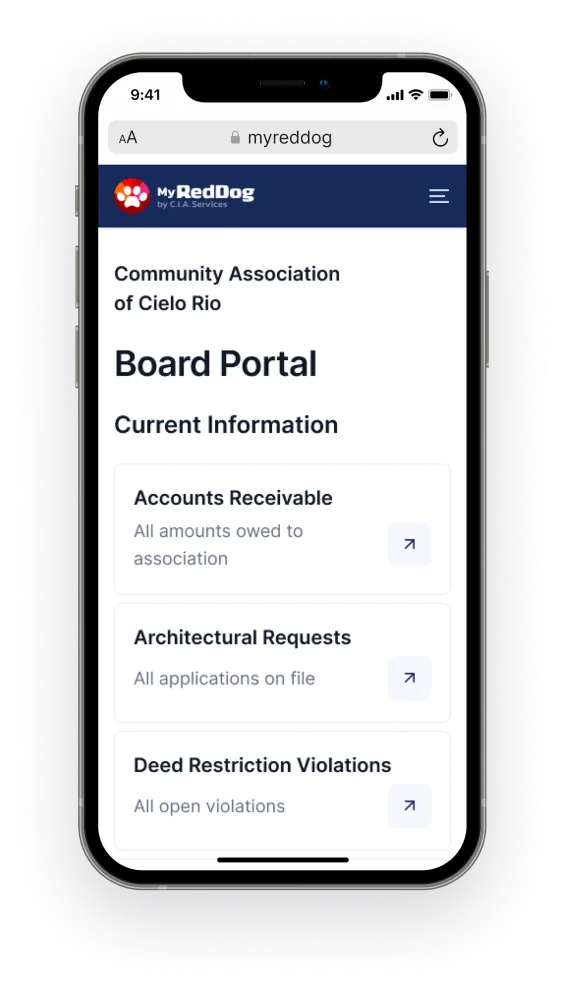
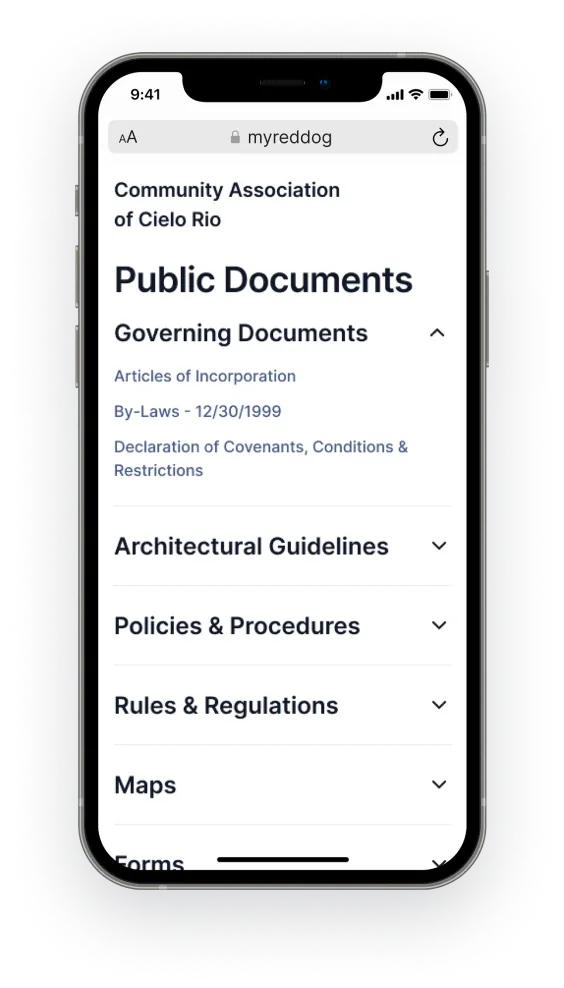
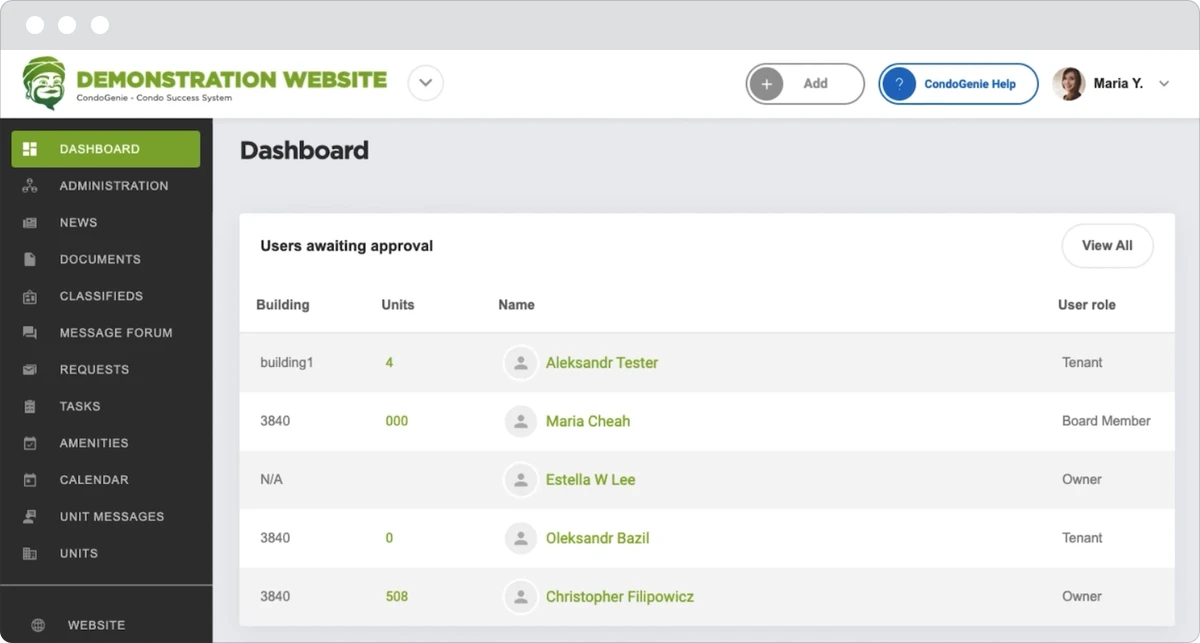
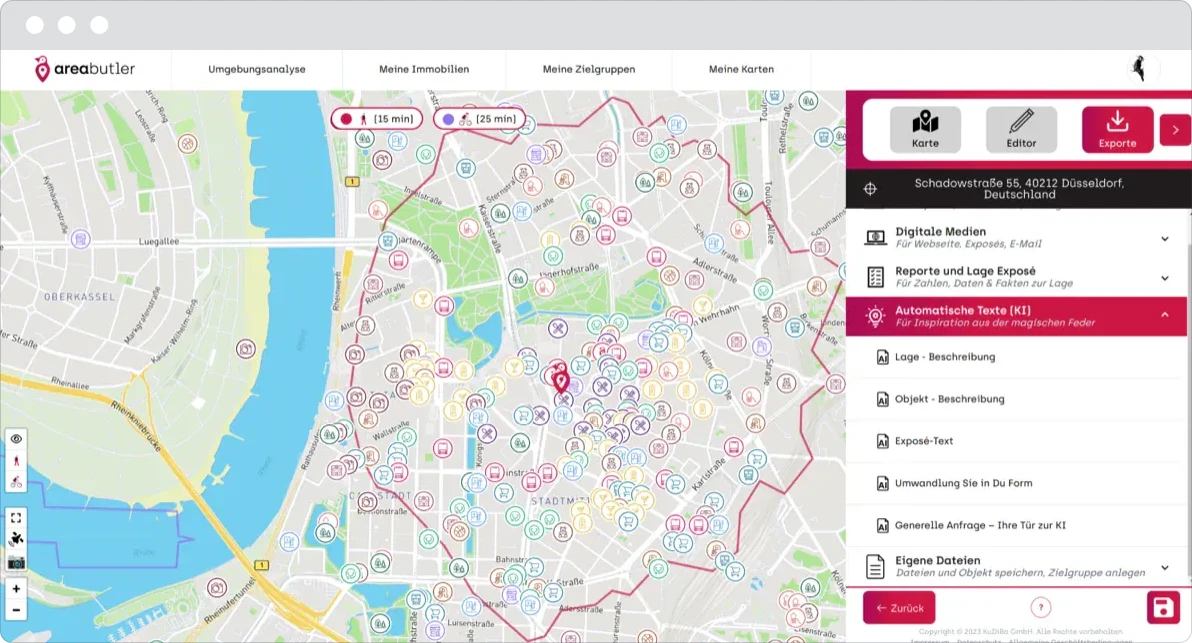
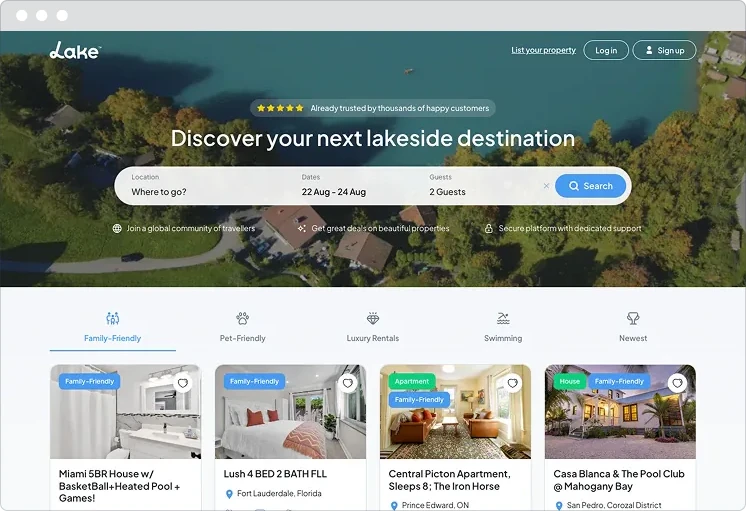
Since 2018 our senior engineering pod has rebuilt and developed CondoGenie, a condo management SaaS, and active users grew from 1,398 in 2019 to 19,324 in 2025. In 2022 we built MyRedDog, the owner and board portal for C.I.A. Services: a PWA on a third-party property management API, which stayed the company's system of record. For Lake, a vacation rental marketplace, we rebuilt the platform around live sync with property management systems, and since 2022 our engineers have built AI texts and CRM integrations inside AreaButler's team.
active users on CondoGenie, 2019 to 2025, after we rebuilt it
9 years
of GeniePad data moved to the new CondoGenie platform while the business stayed live
6 months
to build C.I.A. Services' owner and board portal, July to December 2022
7,900%
growth in properties on Lake's rental marketplace, from 500 to 40,000, since we rebuilt it
7 situations real estate businesses bring to us
Your in-house or AI-built app needs a team to own it
A code audit shows what to fix first. Then we maintain the app or take over development, as our pod has developed CondoGenie since its 2018 rebuild.
Your vendor takes most of a year to make a small change
We add a custom layer on the vendor's platform, or replace it while it keeps running. Route: application modernization
Your brokers research every property and tenant by hand
We connect property data and AI to the CRM your agents already use. For AreaButler, whose location analysis draws on about 1.5 million data points, our engineers built the AI texts and the CRM integrations. AreaButler says agents save up to 86% of their location research time. Read the AreaButler case
Maintenance requests reach your staff without what they need to act
On CondoGenie, 40% of resident requests are maintenance and repair. On the platform you run, we can add an AI layer that sorts and routes them. Route: AI development and integration
Your listings and your bookings live in separate systems
We build live sync with property managers' own systems. Lake's marketplace has grown from 500 to 40,000 properties since our rebuild. Read the Lake case
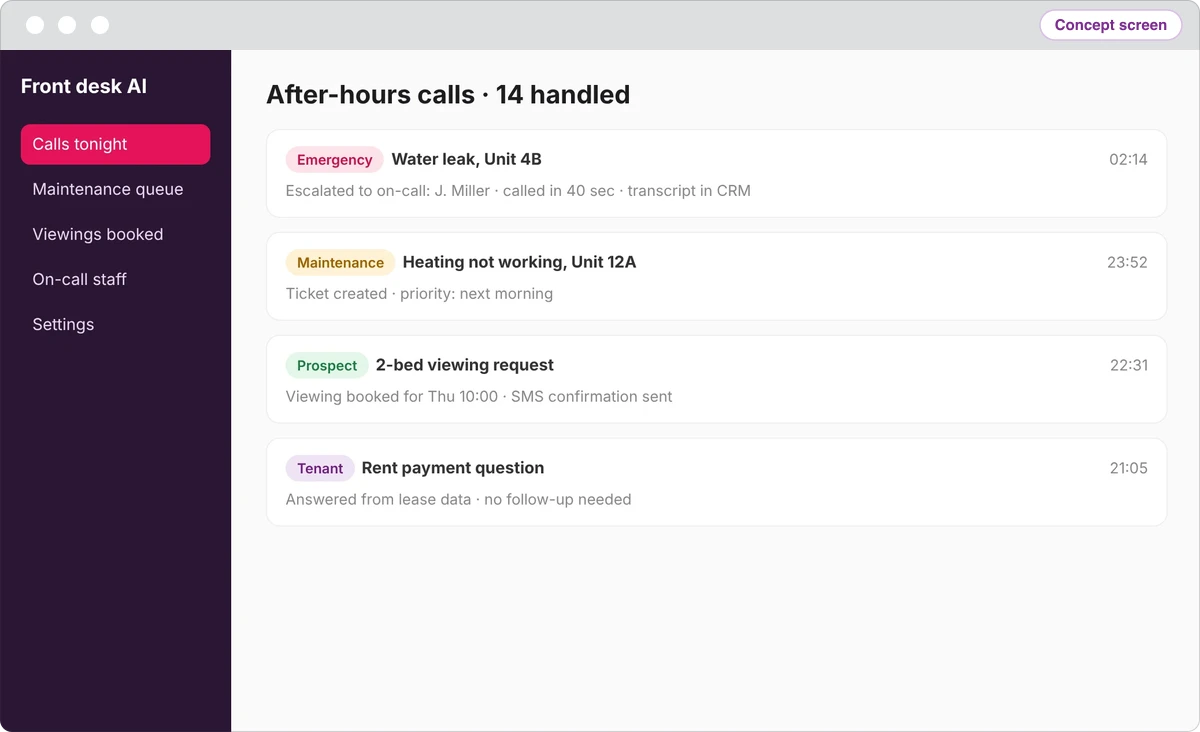
Your office misses calls after hours, and some are emergencies
We build a voice agent that answers every call, books viewings, and sends urgent maintenance calls straight to the on-call person. Route: AI development and integration
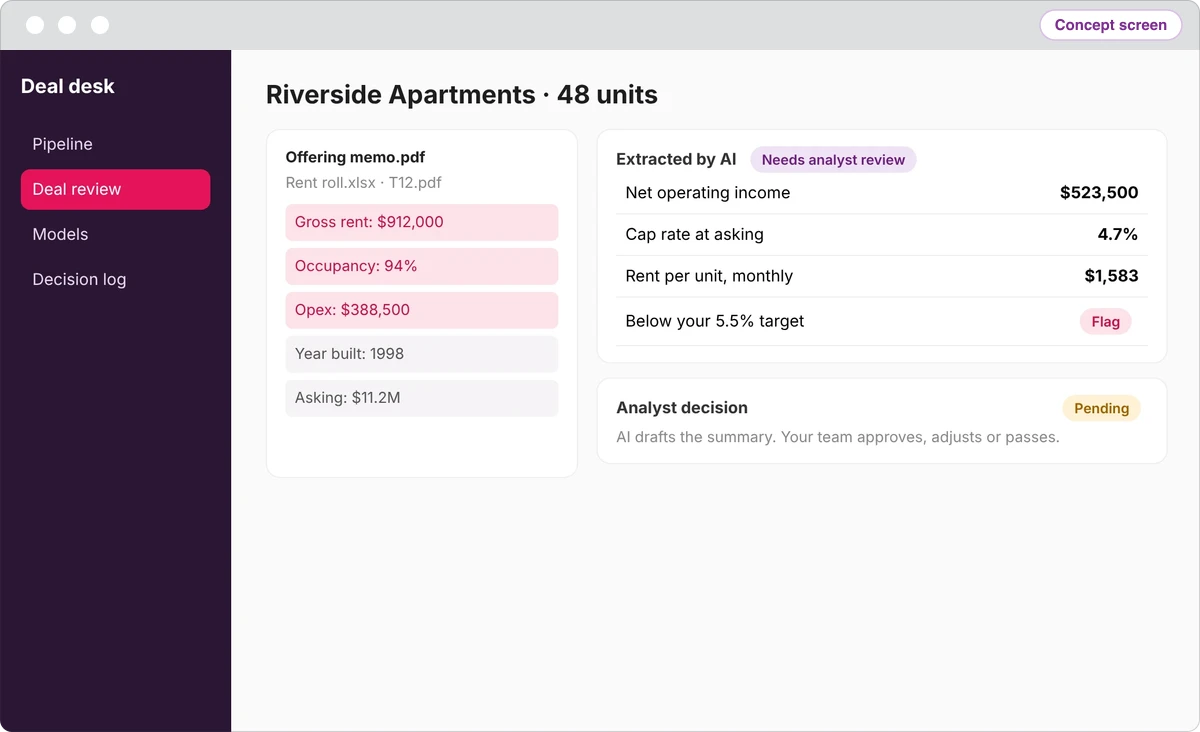
Your acquisitions team retypes every offering memo into a spreadsheet
We build deal tools where AI extracts figures from memos and rent rolls, and your analysts make every judgment. Route: AI document processing
Our recent work
Enhancing Condominium Management with a Communication Platform That Improves Living Quality
Brocoders teamed up with a Canadian entrepreneur to create a new version of their software that will meet their customers' needs for the long term. Our team helped develop CondoGenie – a feature-rich tool that enhanced condominium management and communication.
Joining the Team at AreaButler to Build a Geolocation Solution That Enhances Property Sales for Real Estate Agents
AreaButler is a German proptech startup that offers location analysis tools that examine and describe the environment of properties to appeal to potential buyers and renters. They needed a skilled full-stack developer to drive the development of their product. Working closely with the client in an iterative and Agile way, Brocoders blended into their team effortlessly.
We replaced a WordPress monolith with a NestJS back end and a Next.js front end and built real-time sync with property managers' systems through Calry, in 3 months.
ShineUp: Digitalizing the Entire Process of Renovating Apartments from Task Allocation to Completion
Oslo-based proptech company, Shineup, provides a digital platform for apartment renovations. Their collaboration with Brocoders resulted in the development of their web solution, with additional support as a hired CTO, and the successful delivery of AI features.
Updating a Legacy Property Management System to Deliver New Experiences for Owners
“I am very excited and thankful for the accomplished work. It was great to work with a so professional and well-organized team. All tasks were delivered on time and were well-tested by QA specialists and our users. Reddog backend isn’t ready for all functionality we need, so after finishing it, we return to work on this project with Brocoders and release the full version to production.”
For software you already run: code audits, takeover of apps built in-house or with AI tools, maintenance, and modernization.
5.0
“I had very great communication with the team.”
Rafal Dyrda CEO and Founder, CondoGenie (over 550 condo and HOA associations, October 2026)
5.0
“After working together for 4 months Brocoders is fully part of our team. The service delivered is of very high quality. The execution is quick and includes a very close communication. In case of bugs the Brocoders team is super responsive and takes actions also late at night.”
“Andrei, Brocoders' CEO, took the most amount of time to understand the problem, and this is really important. He was the only one of 150 vendors who asked to speak with the integration partner that we were working with.”
David Ciccarelli CEO and founder of Lake (40,000 connected properties)
5.0
“We've tested the product and have acquired over two million interactions without experiencing downtime or bug-related issues.”
Kalev Kärpuk CEO and Founder, Adact
The 3 routes to the software your business needs
Off-the-shelf software
Right when your workflows match the vendor's roadmap. Pricing usually runs per unit, per door, or per seat, so the bill grows with every property or agent you add. Your team still juggles multiple logins and double data entry between tools.
Custom work from your current vendor
Right when the vendor ships your changes in weeks. Time to look elsewhere when small requests wait for months.
Your own layer or your own platform
Right when your business needs features no vendor will build, or your first version needs a platform built to grow. You own the code and set the roadmap. MyRedDog for C.I.A. Services and CondoGenie both took this route.
When off-the-shelf software is the better buy:
A portfolio under about 100 units: an off-the-shelf system costs less.
A short-term rental business with about 20 villas: a ready-made property management system fits. We told that to a villa manager who asked us for a custom one.
An agency that needs a website chatbot that answers questions: an off-the-shelf tool is faster and cheaper. Custom work pays off when the bot has to qualify the lead and book the showing in your CRM.
A community website that only shares information. A communications and creative services manager at a US residential community put it this way: "if our site was just basic, if it was information sharing only, I probably would just use a system and build something myself."
The risks we plan for on every real estate build
Personal data for thousands of households and clients
"I really want this to be privacy-focused first," that manager told us. MyRedDog gives owners, multi-lot owners, board members, and employees 4 separate access levels, and we built separate screens for each. We plan access before features.
Data you own, moved without a gap
"At least the user data, because I own that." We start every migration from the data you own: accounts, balances, payment history, listings, and documents, from your current system or from spreadsheets. Old and new systems run side by side while accounts move with their history, and you switch on a date you choose.
A system of record you don't control
We read from that system through its API, and each write goes through the endpoints its owners define.
AI that decides what people should
AI extracts data and sorts requests. Your agents, managers, and appraisers make the judgments, with a human in the loop and a log of who decided what. Genie drafts CondoGenie announcements, and a person publishes them.
Payments and data rules you answer for
Card payments go through a payment provider, never through your app: MyRedDog sends owners to the association's secure online payment service, and CondoGenie bills through Stripe. Fair housing and local rules come from your counsel. We build the rules they set into the software.
Code your team can't explain
For apps built in-house or with AI tools, the audit maps what the code does before we change it. You own the repositories and cloud accounts from day one, and we document what we take over.
How a real estate project runs
Step 1Discovery call
30 minutes with Rodion Salnik, our CTO, before any payment. You get a direct answer on whether custom software makes sense.
Step 2Code audit or discovery
A code audit of software you already run takes 5 or 10 business days. A new build starts with a fixed-price discovery of up to 2 weeks, and launch dates come after it.
Step 3Build or stabilize
Releases every iteration while your current system keeps running.
Step 4Switch
Accounts move with their history on a date you set, and the old system stays available until you confirm.
Step 5Maintenance or a senior engineering pod
Named engineers ship small changes in days and review architectural changes with you.
FAQ
Can you take over an app built in-house or with AI tools?
Yes, after a code audit that tells you what to keep, fix, or rebuild, we take over development or hand a stabilized app back to your team. Custom real estate software development often starts from a first version someone else wrote. Our pod has developed CondoGenie, a condo management SaaS, since its 2018 rebuild.
Can you maintain software another developer built?
Yes. We start with an audit. Then named engineers ship small changes in days and review architectural changes with you, and you keep ownership of the code and the cloud accounts.
Can you build an owner or resident portal on top of an existing property management system?
Yes, for C.I.A. Services we built MyRedDog, a PWA on a third-party property management API, and that system stayed the system of record. More HOA and condo builds are on our HOA management software development page.
Do you build AI tools for brokerages and investors?
Yes: since 2022 our engineers have worked inside AreaButler's team, building its AI texts and the onOffice and Propstack integrations that push results into agents' CRMs. For investors, we build deal and underwriting tools on the same React and Node.js stack, with AI document processing at the core: AI extracts and drafts, and your analysts decide.
Where does AI pay off first for a property owner or manager?
A European residential property owner asked us about 4 places: new services for tenants, lower operating costs, a better tenant experience, and less admin and maintenance work. We test the idea before you commit: for that owner, we built a working prototype for its building managers before the first meeting.
Can you connect a real estate platform to property management systems and CRMs?
Yes: Lake syncs availability and rates with property managers' systems in real time through Calry, and AreaButler pushes its results into onOffice and Propstack.
How do you protect client and resident data?
We design access rules before features, and each role sees only what it needs. A security and data review is part of the code audit we run at the start.
Can AI act on its own in the software you build?
AI acts on its own only inside rules you set. AI drafts and routes, and a person approves what reaches clients, owners, or a deal decision. On CondoGenie, Genie drafts announcements and a manager publishes them.
Should the first version be a PWA or native apps?
We usually start with a PWA, one codebase with nothing to install. If you later want your app in the App Store and Google Play, we price native versions separately, so you can decide after launch.
Have you built software for multifamily operators?
No. Brocoders hasn't served a multifamily operator yet. Our closest work is MyRedDog for C.I.A. Services and the Lake vacation-rental platform.
What does it cost?
Our code audit costs $5,000 for 5 business days or $9,900 for 10 business days. For a new build, we quote a fixed-price discovery of up to 2 weeks after the first call, and that discovery sets the build price.
How long does it take?
A new build starts with up to 2 weeks of fixed-price discovery and typically launches within a year, depending on scope.
Services and case studies for real estate software
Pick a time for a 30-minute call. Bring the requests your team answers every week, or the app you need someone to take over, and we'll tell you which first step fits.
Rodion Salnik
CTO and Co-founder at Brocoders
Pick a date that works for you to see available times to meet with me and discuss your project needs. Looking forward to meeting you!